Home/Formulation Science

FORMULATION SCIENCE

How cosmetic products are actually made: emulsification, pH, preservation, and the physics of skin.

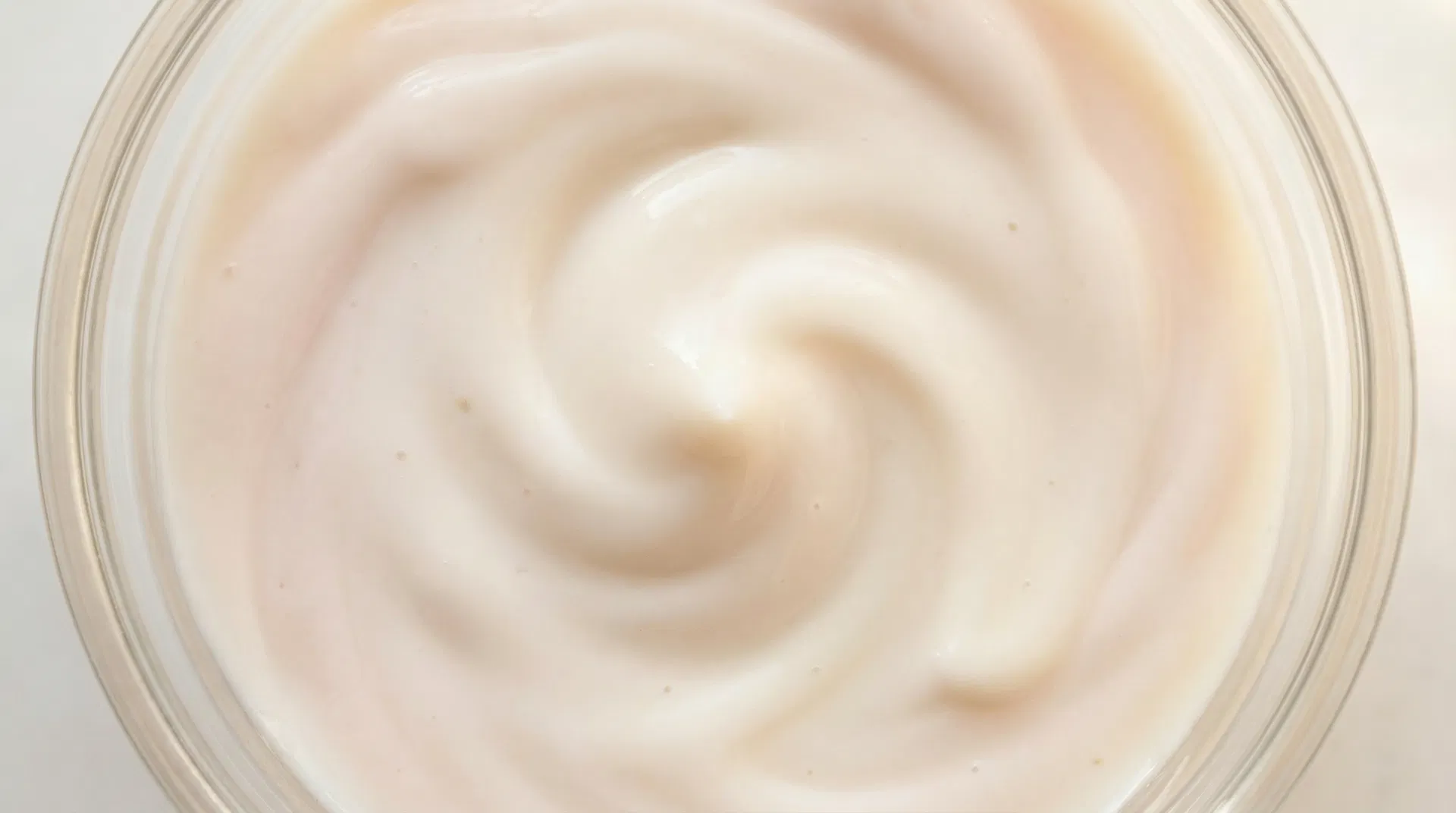
Cream emulsion texture close-up in glass bowl
31/10/2025 · 10 min read

Emulsification: The Science Behind Every Cream You Have Ever Used

HLB values, phase inversion temperatures, and the difference between O/W and W/O emulsions — the fundamentals that anyone evaluating a moisturiser needs to understand before they trust a label.

Read
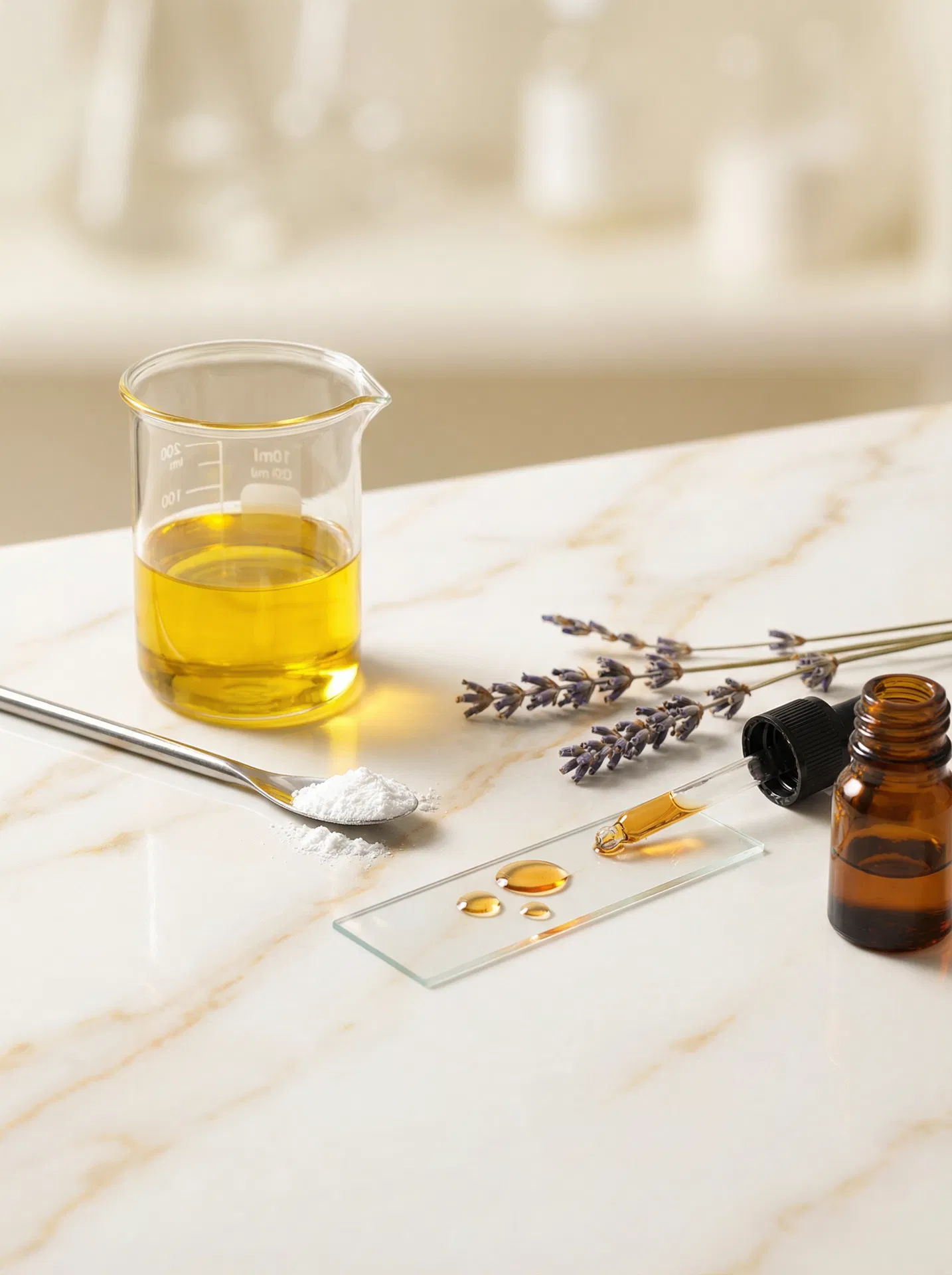
Cosmetic preservative ingredients in laboratory setting
19/10/2025 · 11 min read

Preservatives: The Most Misunderstood Ingredient Category in Skincare

Parabens are among the most studied and safest preservative systems in cosmetics. The alternatives — phenoxyethanol, benzyl alcohol, essential oils — are not necessarily safer. The 'clean beauty' preservative narrative is based on a 2004 study that has been widely misrepresented.

Read
pH testing strips and laboratory equipment on clean surface
14/09/2025 · 8 min read

pH: The Invisible Variable in Every Skincare Product

Vitamin C requires a pH below 3.5 to be effective. AHAs need to be below 4.0. Retinol is most stable above 5.5. Most brands do not disclose their product pH. Here is why that matters — and how to find out.

Read
Sunscreen application on skin in outdoor setting
14/08/2025 · 12 min read

SPF Testing: Why Your Sunscreen Probably Does Not Perform As Labelled

SPF is measured using 2mg/cm² of product — roughly twice what most people apply. Under real-world application conditions, SPF 50 performs more like SPF 7–8.

Read
Barrier cream texture showing rich ceramide formulation
31/01/2025 · 10 min read

Ceramide Concentration: What Your Barrier Cream Actually Contains

Ceramides are expensive raw materials. A formulation with clinically meaningful ceramide concentrations (0.5–2% total ceramide complex) costs significantly more to produce than one with trace amounts.

Read